What People Actually Want in a Partner (It's Less Complicated Than You Think)
It's easy to come away from social media believing that everyone is chasing an impossible checklist: the perfect height, salary, looks and lifestyle. Online, the loudest voices and the most extreme opinions get the most attention. Real life, and the research on it, paints a quieter and more encouraging picture.
Studies of long-term partner preferences, repeated across many countries, tend to find the same qualities rising to the top for both men and women: kindness, emotional stability, reliability, a sense of humour and genuine interest in the other person. Looks and income matter to some degree, as they always have, but they rarely sit at the top of the list when people are choosing someone to build a life with. The things that actually sustain a relationship are mostly about how a person treats you on an ordinary Tuesday.
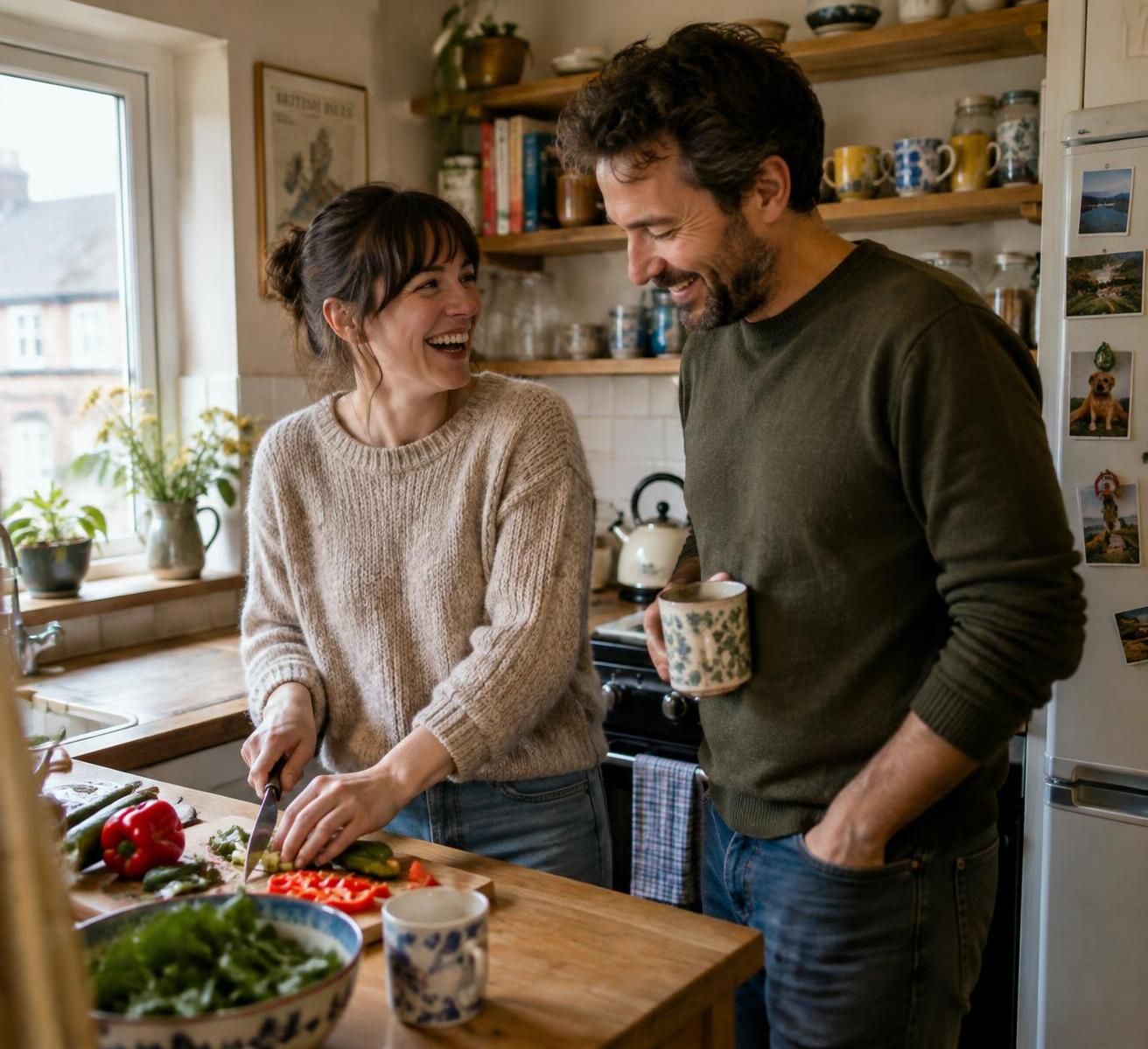
That's reassuring, because those are exactly the qualities anyone can cultivate. Being someone who turns up when they say they will, who stays calm under pressure, who can laugh at themselves and who takes a real interest in other people's lives is within reach of nearly all of us. These traits don't depend on your bank balance or your bone structure.
It's also worth keeping expectations balanced in both directions. Everyone arrives with a mix of hopes, habits and blind spots, and no one is a flawless match for a wish list. Relationships that last tend to be built by two imperfect people who are willing to communicate, compromise and keep choosing each other. Looking for a decent, compatible person is far more realistic than looking for a perfect one, and the same standard applies to how we judge ourselves.
So if the noise online has left you feeling that the bar is impossibly high, take a breath. Most people are looking for something simple and human: someone kind, someone honest, someone who makes them feel at ease. Focus on being that person, spend time in places where you can meet others naturally, and be patient with the process. That approach has always worked far better than chasing a checklist, and it still does.